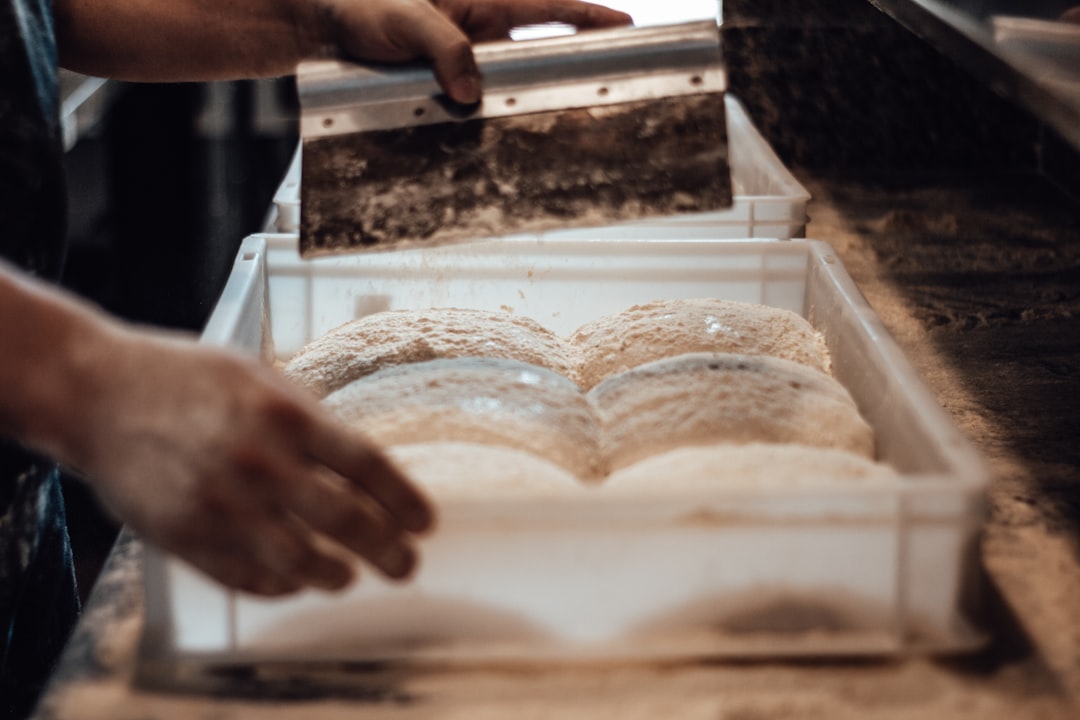
If you want a hazelnut cake that tastes like it came from an old country kitchen instead of a modern patisserie, the secret is not precision for precision’s sake. It is restraint, texture, and a little patience. This is a rustic dessert built around deep cocoa, toasted hazelnuts, and a simple assembly that lets the ingredients feel natural rather than dressed up for a photo shoot. Think of it as simple baking with an artisan soul: no towering layers, no mirror glaze, no overworked frosting. Just a dark, nutty crumb with a soft, almost woodland aroma and a finish that lands somewhere between winter baking comfort and an Italian-inspired dessert.
The inspiration here is pastoral in the best sense: a cake that seems to belong on a wooden board beside a chipped espresso cup, a bowl of pears, and a knife with a little flour still on the handle. The flavor story leans into what makes good pantry ingredients taste luxurious even before you start. Hazelnuts bring sweetness and oiliness, cocoa brings bitterness and depth, and a touch of dairy keeps the crumb plush without turning it into a sugary cloud. For cooks who like building a smart pantry, this formula is the kind of recipe you keep because it rewards good nuts, decent chocolate, and a steady hand.
Why This Cake Works
Hazelnuts do more than add crunch
Hazelnuts are not just a garnish here; they are structure and flavor. When finely ground, they act like a tenderizing flour substitute, lending the crumb a moist, almost sandy softness that reads as luxurious rather than heavy. When lightly toasted first, they deepen into warm caramel, which is exactly what keeps a nutty cake from tasting flat. That toasted nuttiness is what makes this cake feel old-world and intentional, not merely chocolate cake with a few nuts sprinkled in.
Cocoa needs support, not competition
In a cake like this, cocoa should not be isolated. It needs to be paired with eggs, butter or olive oil, and ground nuts so its bitterness becomes round and resonant. This is why the recipe is especially good for cooks who enjoy ingredient balance: richness should feel integrated, not cloying. A small amount of sugar is enough to soften the edge without stripping the chocolate of its grown-up character. If you use a dutched cocoa, the cake will taste darker and smoother; if you use natural cocoa, it will read a little sharper and more fragrant.
Rustic style means letting texture stay visible
The beauty of a rustic cake is that it does not demand cosmetic perfection. It can have a gently cracked top, a few irregular crumbs, and a finish of barely whipped cream or a light dusting of cocoa. This same sensibility shows up in other food choices where utility and pleasure overlap, like choosing organized kitchen systems that make everyday cooking easier instead of more performative. The goal is not to hide the cake’s character but to make it look and taste handmade. A little unevenness signals warmth, not sloppiness.
Ingredient Choices That Make the Difference
Choose hazelnuts with freshness in mind
Hazelnuts can turn stale quickly because of their natural oils, and stale nuts will flatten the entire cake. Buy them in smaller amounts, store them cold, and if they smell faintly paint-like or dusty, do not use them. If you are building a reliable baking routine, treat nuts with the same attention you would give other specialty ingredients; a well-stocked post-purchase quality check mindset helps here, even in the kitchen. Toasting should happen just until fragrant and lightly golden, because over-toasted hazelnuts can become harsh and bitter.
Pick a cocoa you would actually drink
Since cocoa is one of the primary flavors, its quality matters. A bland cocoa gives you color but not depth; a good one delivers a dry, red-brown fragrance that smells like dark brownies, roasted coffee, and a little earth. For a more robust cake, use a dark Dutch-process cocoa. For a brighter, more aromatic result, a natural cocoa is lovely. If you often compare products before buying, this is the same mindset behind articles like how awards shape oil choices: labels matter less than flavor, freshness, and purpose.
Dairy and fat should support, not smother
This kind of cake can work with butter, olive oil, or a blend. Butter gives the crumb a rounder, more classic cake flavor, while a mild olive oil nudges the dessert toward a more Mediterranean profile. If you are intrigued by that savory-fruity bridge, you may enjoy exploring ingredient curation for home cooks because a cake like this benefits from the same careful sourcing as a good vinaigrette. Sour cream, yogurt, or buttermilk all add tang and moisture; each one changes the final texture slightly, but all help the cake stay supple for days.
The Formula: A Deeply Flavored Hazelnut Chocolate Cake
Core ratio to remember
This is the formula, not just a recipe: hazelnuts provide body, cocoa provides depth, eggs provide lift, and a moderate amount of fat keeps everything plush. For a single 9-inch round cake, think in broad terms: about 1 cup finely ground toasted hazelnuts, 3/4 cup cocoa, 3 eggs, 1 cup sugar, 1/2 cup melted butter or olive oil, 1/2 cup dairy, 1 cup flour, 1 1/2 teaspoons baking powder, and salt. That balance produces a cake that slices cleanly while still feeling tender and rustic. If you want it more dessert-like and less snack-cake-ish, add a thin layer of whipped cream or ganache; if you want it more breakfast-cake adjacent, serve it plain with coffee.
Mixing method matters more than fancy technique
The mixing process should feel calm, not chef-y. Whisk the eggs and sugar until lighter in color, then stream in the fat and dairy. Fold in the dry ingredients gently, and stop as soon as the batter looks uniform. Overmixing will toughen the flour and make the crumb lose the delicate nuttiness that makes this cake special. This is the same lesson behind many good home systems, including streamlined kitchen organization: efficiency is about removing friction, not adding drama.
Use the nut meal like an ingredient, not an accent
Ground hazelnuts should disappear into the batter enough to enrich it, but not so much that the cake becomes dense and oily. If your grind is too coarse, the crumb may feel gritty and uneven; if it is too fine, you can lose the rustic character. The sweet spot is somewhere between almond meal and coarse sand. A few larger bits are welcome because they create tiny pockets of crunch, which is exactly what keeps each bite interesting. For cooks who enjoy the practical side of sourcing and storage, smart cold storage ideas can be surprisingly useful for preserving nuts, butter, and cocoa freshness.
Step-by-Step Method for Simple Baking
Step 1: Toast and rub the hazelnuts
Spread the hazelnuts on a tray and toast them at 325°F until fragrant. Once they cool, rub them in a towel to remove most of the skins. You do not need perfection here; a few flecks of skin add color and a slightly deeper flavor. Then pulse them in a food processor with a spoonful of the measured sugar until finely ground. This keeps the nuts from turning to butter and helps them disperse evenly through the batter.
Step 2: Build the batter in the right order
Whisk the eggs and sugar until the mixture looks glossy and slightly thickened. Add melted butter or a mild olive oil, then the dairy. In a second bowl, combine the cocoa, flour, baking powder, salt, and ground hazelnuts. Fold the dry mixture into the wet ingredients in two additions. The batter should be thick but spreadable, and if it looks a little grainy, that is fine; rustic cakes are not supposed to have a polished mousse-like texture.
Step 3: Bake until the center springs back
Scrape the batter into a lined 9-inch pan and bake until the top is set and a tester comes out with a few moist crumbs. Do not wait for a completely dry tester, because the cake will continue setting as it cools. Overbaking is the fastest way to turn a potentially memorable cake recipe into a dry one. Let the cake cool in the pan for 10 to 15 minutes, then turn it out and finish cooling on a rack so the steam does not make the base soggy.
How to Keep It Rustic, Not Fussy
Decorate with restraint
A rustic cake does not need buttercream borders or elaborate piping. A spoonful of softly whipped cream, a dusting of cocoa, or a scatter of chopped toasted hazelnuts is enough. If you want a slightly more polished presentation without losing the mood, glaze the top lightly with warm apricot jam or a thin chocolate ganache. The point is to keep the cake’s handmade look intact. A rustic dessert should feel inviting before it feels impressive.
Let the pan shape guide the final look
Round cakes feel especially pastoral because they echo the shape of a country tart or farmhouse loaf. A single-layer cake also keeps the assembly gentle and approachable. That ease is part of the appeal for home bakers who want repeatable winter baking without a long afternoon of stacking and smoothing. If you want to serve the cake as a center-of-table dessert, leave it on the parchment-lined base or slide it onto a simple plate with no garnish beyond cream and a few hazelnuts.
Use scent and texture as your guide
One hallmark of good rustic baking is knowing when to stop fussing. The cake is ready when the kitchen smells like toasted nuts and dark chocolate and the top has just begun to crack. The crumb should be tender but not fragile, with enough structure to hold a clean slice. If you are thoughtful about sourcing and seasonality, the same kind of practical planning that informs a well-built pantry will help you choose ingredients that taste vivid instead of merely adequate.
Pairings, Toppings, and Serving Ideas
Keep accompaniments seasonal
Because the cake is rich, pair it with something bright or creamy. Whipped crème fraîche, plain yogurt sweetened lightly with honey, poached pears, or macerated oranges all make excellent companions. In colder months, this becomes a deeply satisfying winter baking dessert because the bitter cocoa and warm nuts contrast beautifully with chilled cream. If you want a slightly more refined ending, serve it with espresso or a small glass of amaro for an Italian-inspired dessert feel.
Think in textural contrasts
What makes the cake memorable is the contrast between soft crumb and rough-edged toppings. A glossy ganache can work, but it should be applied sparingly so the cake remains honest and rustic. Chopped hazelnuts, shaved dark chocolate, or a pinch of flaky salt give the top a tactile finish. That tactile quality is part of why this cake feels so appealing: it does not hide its ingredients. It celebrates them.
Serve it like a homespun centerpiece
This is the sort of dessert that looks beautiful on a cake stand, but it is equally appealing on a simple plate after Sunday lunch. It fits the same spirit as other practical, quality-first home decisions, from selecting the right pantry staples to choosing tools that are worth keeping. If you want to extend the mood, serve it with seasonal fruit, coffee, and a linen napkin rather than elaborate plating. The cake itself carries the atmosphere.
Comparison Guide: Which Version of This Cake Should You Bake?
| Version | Fat Source | Texture | Flavor Profile | Best For |
|---|---|---|---|---|
| Classic Butter Version | Unsalted butter | Tender, balanced, traditional | Round chocolate with warm nut notes | Family desserts and holiday tables |
| Olive Oil Version | Mild olive oil | Moister, slightly denser | Fruitier, more Mediterranean | Italian-inspired dessert menus |
| Sour Cream Version | Butter or oil plus sour cream | Plush and rich | Tangy, deep, bakery-style | Winter baking and make-ahead serving |
| Flour-Forward Version | Standard fat level | More structured, slices neatly | Lighter cocoa, less nut intensity | Layering with cream or jam |
| Nut-Heavy Version | Less flour, more hazelnut meal | Dense and fragrant | Intense hazelnut, truffle-like cocoa | Rustic dessert platters and coffee service |
Common Mistakes and How to Avoid Them
Using stale nuts
Stale hazelnuts are the most common sabotage. Because the nut flavor is central, old nuts make the cake taste dusty instead of rich. Buy from a source with good turnover and store them in the freezer if you do not bake often. This is one of those deceptively small decisions that dramatically affects the final result, much like careful cold storage habits improve ingredient quality over time.
Overmixing after the flour goes in
Once flour is added, the batter should be treated gently. Vigorous stirring develops gluten and makes the cake chewy. Fold until you no longer see streaks of dry flour, then stop. This is a cake that rewards light hands. The rustic look comes from the ingredients, not from beating the batter into submission.
Overdecorating the finished cake
It is tempting to add too much frosting, candied nuts, or multiple sauces, but that can bury the cake’s character. The best finish is modest and composed. A rustic dessert should feel generous, not crowded. If you want guidance on curating rather than overcomplicating, the same practical thinking found in seasonal pantry planning can help you decide which flourishes earn their place.
Make-Ahead, Storage, and Freezing
Why this cake improves overnight
Like many cocoa-based cakes, this one tastes better after a rest. The hazelnut aroma settles, the cocoa becomes smoother, and the crumb tightens just enough to slice beautifully. If you can, bake it a day ahead and wrap it once fully cool. The flavors become more integrated, which is exactly what you want in a dessert that leans on depth rather than sweetness.
How to store for the best texture
Keep the cake covered at room temperature for a day or two, or refrigerate if your kitchen is warm. If chilled, let it come back toward room temperature before serving so the cocoa and nuts open up aromatically. This practical approach is similar to the logic behind organized kitchen routines: when your system is simple, the result is more reliable and more enjoyable.
Freezing without losing flavor
You can freeze the cake, tightly wrapped, for up to a couple of months. Thaw it in the refrigerator overnight, then bring it to room temperature before serving. If you plan to freeze it, wait to add any cream or glaze until after thawing. The cake itself freezes well because the nut content helps preserve moisture and the cocoa flavor stays strong.
When to Serve It and Why It Feels Timeless
A dessert for cold weather and slow evenings
This cake has the kind of comfort that belongs to a long evening, when dinner has ended and the room is soft with lamplight. It is especially good in colder months, when a simple baking project can make the whole house smell like toasted earth and chocolate. That is part of its timelessness: it feels special without asking for celebration-level effort. It is the kind of dessert you make because you want a good cake, not because you want to perform dessert.
An old-world feel without strict tradition
Although it has an Italian-inspired dessert energy, this cake is more about atmosphere than geography. It borrows the best qualities of European home baking: sturdy ingredients, minimal fuss, and a finished product that looks like it belongs at the table rather than on a pedestal. That makes it useful for modern cooks who value clarity and flavor over ornament. If you appreciate grounded, practical kitchen decisions, you may also like reading about how recognition can guide ingredient buying when quality matters.
The final flavor memory
What lingers after a slice of this cake is not just chocolate. It is the warm, nutty perfume of hazelnuts, the slight bitterness of cocoa, and the sense that the dessert was made with intention but without strain. That combination is what makes a rustic cake unforgettable. It tastes honest. It tastes like winter baking done right.
Pro Tip: If you want the hazelnut flavor to read louder, toast the nuts, grind them with a little sugar, and finish the cooled cake with a pinch of flaky salt. That three-step move makes the cake taste more complex without making it more difficult.
Frequently Asked Questions
Can I make this hazelnut chocolate cake without a food processor?
Yes. You can buy hazelnut meal or very finely chop toasted hazelnuts by hand, though the texture will be slightly more rustic. If you grind by hand, keep the pieces small and even so the batter bakes uniformly. A few larger fragments are fine and can even add a pleasing bite.
What kind of cocoa is best for this cake?
Both natural and Dutch-process cocoa work, but they create different moods. Natural cocoa tastes brighter and more aromatic, while Dutch-process cocoa tastes darker and smoother. Choose based on whether you want a sharper or deeper chocolate profile. Either way, use fresh cocoa stored in a cool, dry place.
Can I turn this into a layer cake?
You can, but it becomes less rustic and more composed. For a layer version, bake two thinner layers and fill them with lightly sweetened whipped cream, chocolate ganache, or raspberry jam. Keep the frosting thin so the hazelnut and cocoa still remain the focus rather than the decoration.
How do I keep the cake moist for two or three days?
Wrap it well once fully cool and store it at room temperature for short-term keeping or in the refrigerator if your kitchen is warm. The nut meal helps retain moisture, and the cake often tastes even better after a day. If refrigerated, let it warm slightly before serving so the texture softens again.
What should I serve with this cake?
Whipped cream, crème fraîche, poached pears, espresso, and dark cherries are excellent choices. If you want a more seasonal presentation, serve it with citrus segments or a simple berry compote. The goal is to complement the cake’s rich, earthy character, not overwhelm it.
Related Reading
- What Germany’s Health-First Cereal Boom Means for Your Pancake Pantry - A smart look at breakfast ingredients that can elevate everyday baking.
- The Yearly Pantry: How One Visit Can Transform Your Cooking - Learn how to stock the ingredients that make simple recipes taste exceptional.
- Navigating Olive Oil Brands: How Awards and Recognition Shape Consumer Choices - A practical guide to buying better oils for both sweet and savory cooking.
- How Smart Cold Storage Can Cut Food Waste for Home Growers and Local Farms - Useful storage ideas that help preserve delicate ingredients longer.
- From SEO to Kitchen Organization: Strategies for Effective Product Catalogs - Surprisingly helpful ideas for building a more efficient kitchen workflow.