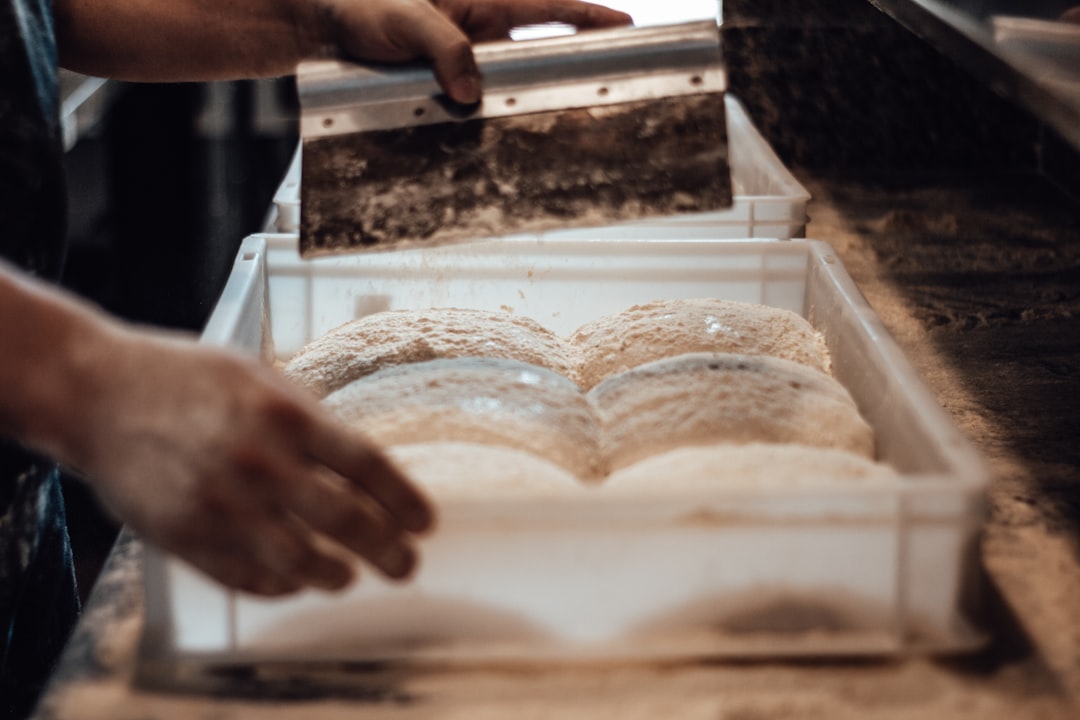
Why Sourdough Is Moving From Bakery Boards to Pizza Boxes
The rise of sourdough pizza is not just a passing menu flourish; it is a response to how people want pizza to feel, taste, and travel. In a category crowded with promotions, speed claims, and discount-led competition, artisan fermentation gives restaurants something more durable than a temporary gimmick: a story rooted in process. That matters in crust strategy, because crust is the first thing diners notice and the last thing they remember when the box is empty.
For operators, sourdough has become a shorthand for craftsmanship, but the business case is broader than branding. The technique can create a more complex flavor profile, a lighter chew, and a crust that often reheats better than standard yeasted dough. In an era of delivery pizza and takeaway pizza, that combination is commercially useful because the best products must survive the journey as well as the kitchen pass. It also helps explain why food brands using real-time spending data increasingly treat pizza as a frequent-purchase category where small quality upgrades can shift loyalty.
What makes the sourdough wave especially interesting is that it blends culinary performance with brand positioning. A restaurant can speak to nostalgia, craft, natural fermentation, and better texture while still serving a format that fits quick-service expectations. That makes sourdough one of the most practical examples of menu innovation driven by consumer search behavior, even if the inspiration comes from bakery culture rather than a typical pizza launch playbook. For a takeaway business, the challenge is not simply making sourdough—it is making it consistently, profitably, and at scale.
What Artisan Fermentation Actually Changes in Pizza Dough
Flavor depth and aroma
At its simplest, sourdough pizza relies on a starter culture rather than just commercial yeast. That starter contains wild yeast and lactic acid bacteria that ferment the dough over time, producing acids and aromatic compounds that build a more layered flavor. Instead of a one-note “bread” taste, you get tang, nuttiness, and a gentle dairy-like complexity that feels fuller on the palate. This is why sourdough works so well with both minimalist toppings and richer combinations, from charred vegetables to pepperoni and hot honey.
For diners, that flavor often registers as “more authentic,” even when they cannot explain why. For operators, the real value is that the dough itself becomes part of the appeal, not just a neutral carrier for toppings. That can support premium pricing if the rest of the experience delivers on the promise. It also fits the growing appetite for products that appear handmade, fermented, and less industrial, a trend that mirrors the appeal of artisan goods in categories from farm-to-bottle ingredients to small-batch food subscriptions.
Texture, chew, and edge crispness
A properly managed sourdough crust can deliver a striking textural contrast: crisp bottom, airy rim, and a chew that feels elastic rather than bready. The extended fermentation helps relax gluten and create gas retention patterns that can make the crumb more open. That does not mean every sourdough crust is automatically light; hydration, proofing, and oven temperature still decide the final result. But when executed well, the pizza feels more nuanced than a standard fast-fermented base.
This matters in takeaway because texture is the first quality to degrade during transport. A crust that starts with a stronger structure has a better chance of staying appealing after a short ride, especially if the sauce is balanced and the toppings are not overloaded. Operators who want to improve that experience should also think about packaging design, much like restaurants that study grab-and-go packaging that protects presentation. In practice, a robust crust and a smart box are partners in preserving the product.
Digestibility, tolerance, and consumer perception
One reason diners often describe sourdough as easier to digest is the long fermentation process, which can partially break down starches and some proteins. While it is not a medical solution and does not make pizza “healthy” in a blanket sense, fermentation can make the eating experience feel lighter for some people. That perception matters in foodservice because many customers want indulgence without the heaviness they associate with standard delivery pizza. For a brand, this is useful territory: you are not selling a diet product, but you are selling a more comfortable indulgence.
The key is trust. If your menu promises artisan fermentation but the dough tastes flat, customers feel misled. If the pizza arrives limp because the box steamed the crust, the promise collapses. That is why operational decisions matter as much as the recipe itself, echoing the logic behind best-practice system design in complex operations: the result is only as strong as the weakest link in the chain.
Why Sourdough Is Winning in Delivery and Takeaway
It survives the trip better than many crust styles
Delivery is a stress test. Heat, steam, condensation, box time, and the weight of toppings all work against pizza quality. Sourdough can perform well here because the dough often develops a sturdier structure and a more resilient chew than ultra-soft styles. When baked correctly, it may also retain character longer, so the last slice still tastes like a considered product rather than a mass-produced one. In practical terms, that can mean fewer complaints and more repeat orders.
That advantage is especially important when customers compare options across apps. The takeaway market is not just competing on price; it is competing on perceived reliability. A restaurant that can consistently deliver a crust with good bite, good aroma, and a clean finish can stand out without resorting to constant discounting. For broader commercial context, see how brands use smart value positioning to win attention without destroying margins.
It creates a premium signal without abandoning convenience
Consumers increasingly want food that feels artisan but arrives quickly. Sourdough does that job well because it suggests craft, time, and care while still fitting into a high-volume menu. That tension—premium cues inside a convenience format—is exactly what makes it so powerful in takeaway. A pizza can be fast, but not anonymous; familiar, but not boring.
This is also where restaurant strategy comes into play. A sourdough launch can be framed as a limited seasonal test, a core line extension, or a signature base for specialty pizzas. Done well, it expands occasions: lunch, dinner, shareable sides, office orders, and at-home entertaining. In the same way that other businesses study live activations that change marketing dynamics, restaurants can use a sourdough pizza launch to create a real-world moment that feels worth talking about.
It plays well on delivery platforms and in search
Search interest is one of the clearest signals behind the category shift. People are not just searching for pizza; they are searching for the best crust, the most authentic base, and the restaurants that offer artisanal options. That means pizza trends are now shaped by discoverability as much as by in-house kitchen innovation. Search-friendly menu language such as “24-hour fermented sourdough crust” or “artisan fermentation base” can help a restaurant show up in commercial research behavior, especially when paired with strong photography and clear product descriptions.
Operators should think of this as both SEO and menu engineering. If you want to capture demand, you need a menu item people understand instantly and a story that rewards curiosity. The same logic appears in SEO narrative building: the story works best when it is specific, credible, and repeated across the channels where customers make decisions.
Sourdough Pizza vs Standard Pizza Crust: A Practical Comparison
Not every pizza needs sourdough, and not every sourdough pizza is superior in every situation. The right choice depends on your brand, your ovens, your delivery radius, and your customer expectation. Still, the differences are meaningful enough that operators should evaluate them systematically rather than by instinct alone. The table below compares the main business and sensory trade-offs.
| Factor | Sourdough Pizza | Standard Yeasted Pizza | Takeaway Impact |
|---|---|---|---|
| Flavor | Tangy, complex, layered | Neutral, familiar, mild | Sourdough can justify premium pricing |
| Texture | Chewy, airy, often more structured | Soft to crisp depending on method | Better perceived quality after transit |
| Fermentation time | Longer, more variable | Shorter, more predictable | Requires tighter production planning |
| Brand positioning | Artisan, premium, craft-led | Mass-market, value-led, familiar | Sourdough supports differentiation |
| Operational complexity | Higher skill and control needed | Easier to standardize | Training is essential for consistency |
| Customer perception | Modern, elevated, “better for me” | Comforting, classic, no-frills | Can expand occasions and giftability |
The takeaway from the comparison is not that sourdough is universally superior. It is that sourdough gives a restaurant more storytelling power and often a stronger sensory profile, but it asks for more discipline in the kitchen. If you are deciding whether to adopt it, test it on the menu items that travel best and where crust matters most. A detailed understanding of the base is as important as understanding topping combinations, much like choosing between styles in our crust guide.
What Restaurants Need to Get Right Operationally
Starter management and dough consistency
Any restaurant strategy built on sourdough starts with the starter itself. The culture must be fed, monitored, and kept within a controlled temperature range so acidity does not overpower the dough. Small changes in hydration, flour strength, or proof time can shift the final result dramatically, which is why a sourdough program needs written standards rather than “feel” alone. Teams should document what a good batch looks like, smells like, and bakes like.
For multi-site brands, standardization becomes even more important. The challenge is to preserve the artisan message while systematizing the process enough that each branch can reproduce it. This is where modern operations thinking helps, similar to how businesses use integrated systems for small teams to keep product, data, and customer experience aligned without huge overhead. In foodservice, consistency is the hidden ingredient behind a successful premium launch.
Oven heat, bake time, and box strategy
Sourdough crust benefits from a bake that develops color without drying out the interior. That usually means a hot oven, careful rotation, and a willingness to tune timing based on topping load. A pizza that looks perfect on the peel can suffer if it sits too long before boxing, so service choreography matters. The best delivery programs often build in a short rest before slicing, allowing steam to settle without going soggy.
Packaging is part of the recipe. If your boxes trap too much moisture, even a brilliant crust collapses on arrival. If they vent too aggressively, the pizza can dry out before it reaches the customer. Restaurants should benchmark packaging as seriously as ingredient cost, just as consumers increasingly compare smart appliances for pizza night based on measurable convenience rather than hype alone.
Training front-of-house and delivery partners
Even the best dough can be undermined by poor handling. Staff need to know how long a pie can sit before it declines, how to slice it cleanly, and how to explain its selling points to guests. If a customer is paying more for sourdough, the team should be able to describe what they are getting in plain language: longer fermentation, deeper flavor, better chew, and a crust designed to travel well. That verbal confidence turns a technical process into a memorable dining choice.
Delivery partners matter too, especially when brand perception is built on quality. Temperature retention, upright handling, and fast handoff all influence the final experience. The broader lesson is that premium foodservice is a chain of small protections, much like shipping fragile artisan goods: the product only shines if every step respects its vulnerability.
How Sourdough Supports Menu Innovation and Brand Positioning
A platform for premium toppings and limited editions
One of the smartest uses of sourdough is as a base for high-margin, story-rich pizzas. Think roasted mushrooms with taleggio, pepperoni with chili honey, potato and rosemary, or a seasonal squash-and-greens build. The fermentation adds a backbone that lets toppings taste more vivid without becoming one-dimensional. It also gives chefs a platform for rotation, which keeps the menu fresh and gives customers a reason to come back.
Restaurants can use that flexibility to create a ladder of options: an entry-level cheese or margherita, a signature house pizza, and one or two seasonal specials. That structure is effective because it balances familiarity with discovery. It resembles the logic behind first-order offers: give customers a low-friction entry point, then build trust through repeat satisfaction.
Premium cues that justify price integrity
In a delivery market dominated by deals, price integrity is hard to protect. Sourdough helps because it provides a reason for a higher ticket that feels concrete rather than cosmetic. Customers can taste the difference, see the airy edge, and perceive the labor behind it. When done honestly, this reduces reliance on constant promotions and supports a more sustainable margin structure.
That does not mean every sourdough pizza should be expensive. Instead, it should be priced in line with the story, ingredient quality, and labor intensity. The most successful premium items are often the ones that customers can explain to themselves after the purchase: “It was worth it.” That is the same emotional logic that drives consumers to compare features carefully in high-involvement purchases—people want evidence that the premium is real.
Searchable language and menu clarity
Menu innovation only works if customers understand it quickly. Use clear phrasing such as “24-hour sourdough crust,” “artisan-fermented base,” or “house starter dough” instead of obscure jargon. Then reinforce the message in descriptions that mention texture, flavor, and delivery performance. If your brand has multiple pizza styles, the sourdough line should be easy to spot in the menu hierarchy.
Clear naming is especially helpful in online ordering systems, where scrolling attention is short and comparison is intense. A good menu item should answer three questions immediately: what is it, why is it better, and when should I choose it? That is the same discipline found in clear product boundaries: ambiguity slows conversion, while clarity helps customers decide.
What Home Diners Notice When a Pizza Is Truly Sourdough
The crust tells the truth
For customers ordering in, the crust is the most revealing part of the pizza. A true sourdough base should have a fragrant aroma, a little bounce under the fingers, and a flavor that remains interesting even after the toppings are gone. If the rim tastes bland or the center feels gummy, the fermentation story is not being translated into the final bake. That is why the best operators obsess over the bottom as much as the top.
Diners increasingly evaluate takeaway against restaurant dine-in standards, especially for premium labels. If a sourdough pizza arrives and still has character after the trip, it earns trust. That trust is what turns a one-time experiment into a repeat purchase, and it is the difference between a brand that merely launches a trend and one that owns it.
It changes the pace of eating
Sourdough tends to encourage a slower, more attentive bite. The acidity and chew can make each mouthful feel more deliberate, which is valuable for a category often associated with speed and convenience. That slower pace can elevate the meal without making it feel formal. In other words, it creates a “special” feel inside an everyday format.
This is one reason sourdough is well suited to sharing occasions. A box can feel like an upgrade for family dinner, date night, or a late office order. It is a small but meaningful example of how experiential marketing principles can be translated into food: the product itself becomes the event.
It affects pairing choices
Because sourdough brings its own flavor, toppings and sides should be selected thoughtfully. Bright, acidic sauces, salty cured meats, bitter greens, and caramelized vegetables all complement the tangy base. Heavy cream sauces and overloaded cheese blends can flatten the dough’s character if the balance is wrong. For a takeaway pizza menu, pairing discipline can be the difference between “premium” and merely “busy.”
If you are building a pizza night at home, sourcing and setup matter too. The right gear, from peels to stones and ovens, can help preserve a crust’s structure and finish. For practical help with the broader setup, see our guide to smart appliances for pizza night, which shows how tools can improve both convenience and consistency.
How to Evaluate a Sourdough Pizza Program as a Customer or Operator
For diners: what to look for
If you are deciding whether a sourdough pizza is worth ordering, start with the menu language and photo quality. Strong brands usually describe fermentation time, flour type, or starter approach, and their photos show an airy crust rather than a dense bread-like base. On arrival, the pizza should smell fermented and toasted, not merely baked. The crust should be structurally interesting, with enough lift to support toppings without collapsing.
Also notice how the pizza holds up after ten minutes. Great takeaway pizza remains appealing after a short pause, while weaker versions turn limp or greasy. When a brand gets this right, it signals serious kitchen discipline and thoughtful product design. That is a better predictor of satisfaction than hype alone.
For operators: what to test before launch
Before adding sourdough to the menu permanently, test it across multiple conditions: dine-in, short-distance delivery, long-distance delivery, and reheat. Measure crust texture, customer feedback, and waste rates. Compare topping combinations that are light, medium, and heavy, because fermentation alone cannot rescue a poorly balanced pizza. This kind of test-and-learn approach is how successful foodservice teams reduce risk while innovating.
Operators should also watch how the item behaves across dayparts. A sourdough lunch pizza may need a different bake or hold protocol than a dinner item. If your brand wants to broaden occasions, you need operational evidence, not just a good story. That is the same disciplined mindset you see in other data-driven categories, from retail analytics to service design.
For marketers: what message converts
The strongest message is not “we have sourdough” by itself. It is “our sourdough crust brings better flavor, better texture, and a better delivery experience.” That statement is concrete, benefit-led, and easy to remember. It also avoids the common trap of using artisan language without explaining why the customer should care. Good marketing connects craft to consequence.
Use menu, social, packaging, and in-store copy to repeat the same value proposition. Brands win when the promise is coherent across every touchpoint. That is why strategic clarity in product storytelling matters so much in narrative-led marketing: repetition builds recognition, and recognition drives trial.
The Future of Pizza Trends: Where Artisan Fermentation Goes Next
More hybrid crusts, more regional identities
The next phase of pizza trends is likely to include hybrid doughs that blend sourdough fermentation with regional styles, flour blends, and oven traditions. Some brands will lean into a more blistered, airy finish; others will emphasize sturdiness for delivery. The important shift is that crust is now a strategic differentiator rather than a background component. As competition intensifies, the base itself becomes a signature.
This is especially true for chains seeking growth without looking generic. A well-defined sourdough program can be part of a broader identity system, much like companies use operational standards to scale complex services without losing consistency. The more crowded the market becomes, the more valuable differentiation becomes at the dough level.
Better packaging and better holding systems
As delivery pizza keeps evolving, packaging will matter even more. Expect more lids, vents, inserts, and materials engineered to control steam and protect the crust. Restaurants that invest here will be able to preserve the strengths of sourdough and reduce the usual trade-offs between heat retention and crispness. In many cases, the winning product will be the one that manages moisture best.
That could also influence how restaurants think about menu assortment. If sourdough performs best on certain pizza builds, brands may narrow the offer to protect quality rather than chasing variety for its own sake. That is a smart move in a market where consistency is often more profitable than breadth.
Premium convenience as the new norm
The deeper trend is that customers increasingly expect premium convenience, not just speed. They want takeaway pizza that feels intentional, artisanal, and satisfying without requiring a special occasion. Sourdough fits this shift because it offers tangible improvements in flavor and texture while still working inside a quick-order model. That combination is why it is moving from niche to national in many markets.
For the takeaway business, this is a chance to reset expectations. Restaurants that can combine artisan fermentation with operational discipline may win more than one order; they may win trust, habit, and brand preference. In a category as competitive as pizza, that is the real prize.
Bottom Line: Sourdough Is Not Just a Trend, It Is a Strategy
Sourdough pizza has momentum because it solves multiple problems at once. It improves flavor, often strengthens texture, supports a premium brand story, and can perform well in delivery and takeaway if the operation is sound. That makes it more than a culinary trend; it is a business model choice. Restaurants that treat sourdough as a serious product platform—not a novelty—are the ones most likely to benefit.
For diners, the appeal is simple: better crust, deeper flavor, and a pizza that feels more memorable from first bite to last. For operators, the lesson is equally clear: the crust is not a side note, it is the foundation of menu innovation. If you are evaluating your next pizza move, start with fermentation, then build everything else around it.
Pro Tip: If you want sourdough to matter in delivery, test the pizza at the 10-minute and 20-minute marks after boxing. A crust that still tastes lively and stays structurally sound at both checkpoints is a real menu asset.
FAQ: Sourdough Pizza, Delivery, and Menu Strategy
Is sourdough pizza always better than regular pizza dough?
No. Sourdough often offers more flavor and a better chew, but it requires skilled handling and may not fit every brand or topping style. A simple yeasted dough can still outperform sourdough if the oven, recipe, and service are better executed. The best choice depends on your concept and delivery model.
Does sourdough pizza digest better?
Some people find it easier to digest because of the longer fermentation, which can change how the dough behaves in the body. However, it is not a medical guarantee, and results vary by person. The safer claim is that sourdough can feel lighter or less heavy for many diners.
Why is sourdough popular in takeaway pizza now?
It gives restaurants a premium story and improves the odds of a strong eating experience after transit. In a crowded category, that combination helps brands stand out without relying only on discounts. It also aligns with consumer interest in craft, authenticity, and better-quality crust.
What makes a sourdough crust good for delivery?
A good delivery sourdough crust has structure, balanced hydration, proper bake color, and a box strategy that limits steam buildup. It should stay tasty after transport and not collapse under toppings. Packaging and oven control are just as important as the starter itself.
How can restaurants market sourdough without sounding gimmicky?
Use specific, benefit-led language. Mention fermentation time, flavor, texture, and why the crust is better for takeaway. Avoid vague terms like “artisan” unless you explain what the customer actually gets from it.
What toppings work best on sourdough pizza?
Toppings that bring contrast usually work best: salty cured meats, roasted vegetables, bitter greens, bright tomato sauces, and punchy cheeses. The goal is to complement the crust’s tang and texture rather than bury it. Balanced toppings let the dough remain the star.
Related Reading
- Crust decoder: choosing between thin, Neapolitan, deep-dish and wood-fired - Compare styles to see where sourdough fits best.
- Takeaway That Doesn’t Look Like Trash: Picking Grab-and-Go Packaging for Your Pub - Packaging choices that protect quality in transit.
- Smart Appliances for Your Pizza Night: Save Time and Money - Tools and gear that make better pizza easier at home.
- What Food Brands Can Learn From Retailers Using Real-Time Spending Data - A data-driven look at demand signals and pricing.
- Press Conference Strategies: How to Craft Your SEO Narrative - Build a clearer story around your menu innovation.