Australian native ingredients are moving from niche tasting menus into the center of modern cuisine, and the shift is being driven by chefs who want deeper flavor, stronger provenance, and more sustainable sourcing. From the grassy, cereal-like complexity of kangaroo grass to the bright, almost electric tartness of Kakadu plum, these bush foods are changing how diners think about local produce. The movement is not just about novelty; it is about reconnecting plates to place, season, and Indigenous knowledge. As more chefs embrace this culinary language, home cooks and restaurants alike are asking the same question: where do these ingredients come from, and how do you cook with them well?
This sourcing-led guide takes a practical look at that question, with a focus on flavor, supply chains, responsible buying, and the modern dishes these ingredients inspire. If you are interested in the broader trend toward plant-forward menus, our overview of the rise of plant-based ingredients is a useful companion. For shoppers navigating premium pantry choices, it also helps to keep an eye on value meals as grocery prices stay high and the real economics behind specialty ingredients.
Why Native Australian Ingredients Matter Now
A culinary shift rooted in place
The renewed interest in Australian native ingredients is part of a larger shift in fine dining: chefs are building menus that taste like the landscape they come from. That means moving beyond imported truffles, vanilla, and citrus when local ecosystems offer their own ingredients with equal complexity. In Australia, this includes seeds, fruits, leaves, herbs, and salt-tolerant plants that have been used for millennia by First Nations communities. Kangaroo grass and Kakadu plum are simply two of the most visible examples of a much wider pantry.
Chefs are drawn to these ingredients because they give a dish immediate identity. A sauce brightened with Kakadu plum does not taste like a generic berry reduction; it tastes distinctly Australian, sharp and wild. A bread or dessert enriched with kangaroo grass carries toasted grain notes that feel rustic yet refined. That makes them ideal for restaurants seeking a strong point of view, and it explains why the conversation around local produce is becoming a broader conversation about cultural authenticity, not just flavor.
Sustainability and the economics of sourcing
There is also a strong sustainability case. Native plants are often adapted to harsh conditions, low rainfall, and poorer soils, which can make them more resilient than many conventional crops. That does not automatically make every native product sustainable, though, because ethical harvesting, scale, transport, and land stewardship all matter. When chefs and buyers talk about sustainable sourcing, they need to look beyond the plant itself and into the producer network behind it.
This is where artisan producers become crucial. A supply chain built around careful cultivation, respectful wild harvesting, and fair partnerships with Indigenous communities creates more durable value than a one-off trend. For readers comparing premium suppliers and market claims, our guide on how to vet a marketplace before you spend a dollar is a practical reference. The same skeptical lens used for gourmet gear, subscriptions, or ingredients should apply here too. If you want to understand how local demand can shape food businesses, the logic is similar to how local businesses win nearby customers: visibility matters, but trust matters more.
Indigenous ingredients and respectful use
Any serious discussion of bush foods must acknowledge that these ingredients are not new discoveries. They are part of living food systems and cultural heritage. Restaurants that use them well do more than sprinkle them onto a dessert and call it innovation; they learn the stories, seasons, and proper handling methods behind them. That means sourcing from Indigenous-led or Indigenous-informed businesses whenever possible and crediting the communities that have maintained this knowledge.
The most credible chefs in this space are building relationships, not just recipes. They ask where ingredients were harvested, how they were processed, and what handling techniques preserve both quality and cultural integrity. That ethos is increasingly visible across food trends, much like authenticity has become essential in local media marketing. When diners sense that an ingredient has been used with care rather than as decoration, the dish becomes more compelling and more trustworthy.
Kangaroo Grass: The Grain-Like Native with Modern Potential
What kangaroo grass tastes like
Kangaroo grass, often described as a native grain or grain-like seed, brings a toasted, earthy, slightly nutty profile that sits somewhere between millet, sorghum, and well-baked wholegrain bread. It has a gentle sweetness when handled correctly and can add a pleasing crunch or depth depending on how it is processed. Chefs like it because it is not overpowering; it supports rather than dominates, which makes it useful in both savory and sweet dishes.
In practice, that means kangaroo grass can be milled into flour for breads and pastries, used as a crumb coating, incorporated into porridges, or toasted and folded into granola-like mixes. The texture is one of its key assets: it gives dishes a sense of place and a subtle “whole seed” character that reads as wholesome without being rustic in a rough sense. In a modern restaurant, that balance matters because diners want something novel but still elegant. For cooks who like studying flavor structure, our guide to caper varieties and flavor profiles is a good reminder that a small ingredient can dramatically shift a dish’s personality.
How chefs are using it in modern dishes
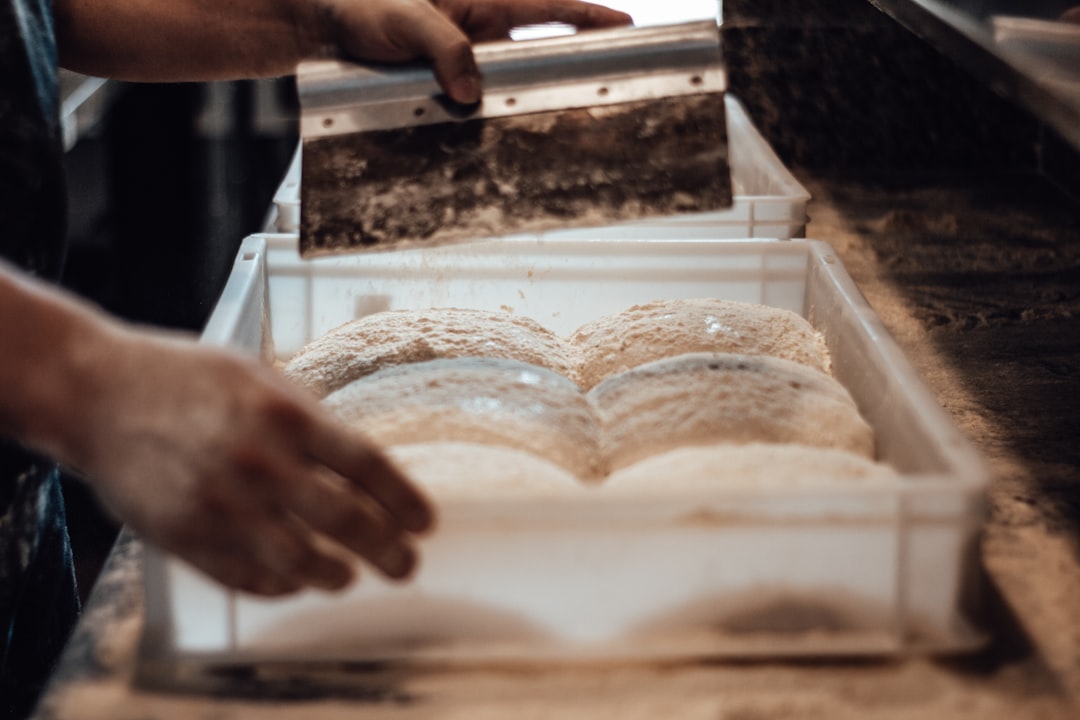
Chefs often treat kangaroo grass as a bridge ingredient. In breads, it can bring a darker, toastier edge to sourdough or flatbread. In savory cooking, it can be turned into a crust for fish or lamb, adding crunch and a grassy, roasted aroma that feels both familiar and regional. In desserts, it works surprisingly well with caramel, stone fruit, honey, and dairy because its toasty notes keep sweetness in balance.
One of the smartest uses is as a textural element rather than a headline flavor. Think kangaroo grass sprinkled over a smoked butter dish, folded into a seed brittle, or used to finish a vegetable tart. That approach mirrors how top kitchens use specialty ingredients: not to overwhelm, but to create a layered bite. The discipline of using an ingredient sparingly and deliberately is not unlike the logic behind the best gourmet buys—pick items that earn their place. That principle comes up often in value-driven spending and applies just as much in the pantry.
How to source kangaroo grass responsibly
Because kangaroo grass sits within a broader story of native grains and Indigenous food systems, sourcing matters as much as recipe design. Look for suppliers that explain whether the product is wild-harvested, farmed, or collaboratively developed with Traditional Owners. The best vendors are transparent about processing steps such as cleaning, drying, dehulling, and milling, because these affect flavor, shelf life, and how the product cooks.
Home cooks should be especially careful with claims that sound vague or overly trendy. If a product page does not clearly identify the producer, region, or harvesting method, treat that as a red flag. Good sourcing is a lot like good travel booking: the cheapest option can become expensive if the details are hidden. That is why it helps to think with the same caution as readers who follow hidden fees breakdowns before buying a ticket. In specialty food, clarity is the real premium.
Kakadu Plum: The Bright Acid That Is Redefining Dessert and Sauce Design
Flavor profile and culinary function
Kakadu plum is one of the most exciting ingredients in contemporary Australian cooking because its flavor is so vivid. It is intensely tart, fruity, and aromatic, with a brightness that can behave like lime, green apple, tamarind, or cranberry depending on the preparation. In the hands of a skilled chef, that acidity becomes a structural tool, not just a flavor note. It can lift fatty proteins, sharpen sweet dishes, and add a clean finish to sauces and glazes.
The fruit’s natural intensity makes it especially useful in small amounts. A little Kakadu plum powder or puree can do the work of a much larger amount of citrus, and it often leaves a longer, more layered aftertaste. That makes it a favorite in vinaigrettes, dessert gels, curds, pickles, and reductions. If you are interested in how one ingredient can shape an entire flavor system, the thinking is similar to the way food writers analyze single-note ingredients such as capers: the function matters as much as the taste.
Why chefs love it in modern menus
Chef trends in 2026 favor ingredients that are both visually and gastronomically distinctive, and Kakadu plum checks both boxes. It creates color, acidity, and an immediate sense of novelty. In a tasting menu, it may appear in a granita, a gel, or a sauce paired with seafood. In a casual restaurant, it might show up in a cocktail rim, a tart glaze for chicken, or a whipped cream paired with native spice.
What makes it especially compelling is how easily it complements modern dining preferences: lighter sauces, less sugar, more acidity, and a stronger focus on ingredients that feel naturally expressive. In the same way that the broad market has moved toward better-for-you eating, as explored in our plant-based ingredients feature, chefs are seeking flavors that make plant-led dishes taste complete rather than compromised. Kakadu plum does that beautifully. It also works as a pantry teaching tool: once cooks understand how much punch it packs, they start thinking differently about seasoning and balance.
Sourcing, seasonality, and quality control
Kakadu plum can be sold fresh, frozen, dried, powdered, or as an extract, and each form behaves differently. Powder is often the most practical for restaurants because it is stable, easy to dose, and useful in both sweet and savory applications. The downside is that quality can vary greatly depending on how the fruit was dried and processed. Heat, storage, and oxygen exposure all affect the brightness of the final product.
Buyers should ask for harvest dates, processing methods, and, where possible, origin details. If a supplier is vague about these, the product may be fine for casual use but less suitable for a menu that depends on consistent acid and aroma. This is where a disciplined sourcing process matters just as much as recipe skill. For teams building a repeatable supply strategy, the same due diligence used in marketplace vetting should guide ingredient procurement. The difference between “interesting” and “excellent” often comes down to those details.
How Chefs Translate Bush Foods into Contemporary Dishes
Pairing native flavors with familiar formats
The most effective native ingredient dishes usually do not try to reinvent dining from scratch. Instead, they slot kangaroo grass and Kakadu plum into familiar formats that help guests understand what they are tasting. A bread service, roast vegetable plate, tart, or ice cream becomes a vehicle for discovery. That approach lowers the barrier to entry and lets the ingredient shine without confusion.
For example, kangaroo grass can deepen a soda bread served with cultured butter, while Kakadu plum can animate a shellfish dressing or a tart berry-style sauce. Diners understand the architecture of the dish immediately, but the flavors arrive in a new register. This mirrors how many hospitality brands work with local experience: they use a familiar framework, then layer in something memorable. Readers interested in that strategy may also enjoy immersive experience design, because the same logic of surprise inside structure applies.
Balancing intensity with restraint
Native ingredients often have strong personalities, which means restraint is critical. Overusing Kakadu plum can flatten a dessert into one-note sourness; overbaking kangaroo grass flour can make bread taste heavy or dry. The best chefs treat these ingredients like high-value seasonings, adjusting ratios carefully and tasting at every stage. That is why chefs working with bush foods often build dishes through small iterative tests rather than large batch production.
It is also why sourcing quality matters. A high-quality ingredient needs less intervention, and that keeps the dish cleaner. A mediocre product often forces the cook into compensatory techniques: extra sugar, more salt, more fat, more garnish. In practical terms, you save money and improve consistency when the raw material is strong. That principle is as relevant in food as it is in shopping for kitchen gear, where the real question is whether a purchase earns its shelf space. For more on making smarter buying decisions, see our guide to new shopping tools for buyers and how they affect product discovery.
Menu examples that work
A native-ingredient menu does not need to be exotic to be effective. Some of the strongest examples are built around seasonal, local produce and a single anchoring native note. Think roasted carrots with kangaroo grass crumb and yogurt, or duck with Kakadu plum glaze and bitter leaves. Even a simple panna cotta becomes more distinctive when finished with Kakadu plum syrup and macadamia praline. The goal is not to create a museum piece; it is to create a meal that tastes alive.
Chefs who succeed here often use the same logic as those who build small, well-curated experiences elsewhere. There is a clear lesson in crafting joyful micro-events: small spaces can feel rich when every choice is intentional. The same is true of a menu built around native ingredients. Every element should support a coherent story.
Comparison Table: Kangaroo Grass vs. Kakadu Plum
| Attribute | Kangaroo Grass | Kakadu Plum |
|---|---|---|
| Primary flavor | Toasted, earthy, nutty, grain-like | Intensely tart, fruity, bright |
| Best culinary role | Bread, crumb, grain base, texture | Acid, glaze, sauce, dessert contrast |
| Common forms | Seed, flour, toasted meal | Powder, puree, dried fruit, extract |
| Ideal pairings | Butter, honey, stone fruit, roast vegetables | Seafood, berries, chocolate, citrus, fatty meats |
| Menu advantage | Adds depth and local grain identity | Adds sharpness and striking aroma |
| Sourcing priorities | Processing transparency, provenance, milling quality | Harvest dates, drying method, acidity retention |
| Common risk | Staleness or poor milling | Flavor loss from heat or storage |
| Chef use case | Texture and foundation | Lift and contrast |
How to Buy Native Ingredients Like a Professional
Read labels for provenance and processing
Professional buyers do not just compare prices; they compare provenance, processing, and consistency. The label should tell you what the product is, where it comes from, and how it was handled. If you are buying kangaroo grass flour, you want to know whether it is stone-ground or finely milled, because that changes texture. If you are buying Kakadu plum powder, you want to know how it was dried and whether any additives were used.
When the label does not tell you enough, ask the seller direct questions. Good suppliers welcome informed buyers because it signals a long-term relationship rather than a one-time purchase. That mindset is similar to the approach in finding the best value meals during price pressure: the cheapest option is not always the smartest option, especially when quality affects the entire result. In premium food, information is part of what you are paying for.
Choose artisan producers over anonymous bulk sourcing
Artisan producers usually offer better traceability and more reliable quality control than anonymous commodity-style sourcing. That matters with native ingredients, where freshness, small-batch handling, and respectful harvesting can dramatically affect the final taste. A producer who can explain their process is often a better partner than a marketplace listing with a polished photo but no substance.
This is where a discerning buyer’s mindset pays off. The same habits used to compare subscription boxes, product bundles, or specialist marketplaces can help you decide whether a native ingredient is worth the spend. If you are building a pantry with intent, you might also benefit from reading about how shopping platforms shape buying choices. The underlying lesson is simple: the best products are easiest to trust when the maker is visible.
Store, measure, and use with precision
High-value ingredients deserve proper storage. Keep powders in airtight containers, away from light and moisture, and use them within their recommended shelf window. Seed products and flours should be treated like other delicate wholegrain items: cool, dry, and sealed. For chefs, precise spoon-level dosing matters because native ingredients can swing a dish quickly from balanced to aggressive.
Home cooks can benefit from the same discipline. Start with small amounts, taste, and build gradually. A teaspoon too much Kakadu plum may overpower a dessert, while too little may disappear entirely. The goal is not to make every dish taste “native” in a theatrical sense; it is to make the ingredient feel integrated. That kind of measured, calm technique is what separates a trend from a lasting pantry habit.
The Bigger Picture: Chef Trends, Food Identity, and the Future of Bush Foods
From novelty to normality
The most important trend in Australian native ingredients is not that they are appearing on menus; it is that they are being used more seriously. As chefs gain confidence, these ingredients are becoming part of everyday culinary language rather than special-event garnishes. That evolution usually marks a category’s maturity. It suggests that the ingredient has moved beyond spectacle and into functional, repeatable use.
This matters because repeatability is what turns a trend into a lasting market. Once diners enjoy kangaroo grass in a loaf or Kakadu plum in a sauce, they begin seeking it elsewhere. That creates demand for better growers, better processors, and more informed retail channels. The resulting ecosystem can support local produce networks in ways that are economically and culturally meaningful.
What home cooks can learn from the restaurant world
Home cooks do not need a tasting menu budget to learn from this movement. Start by using native ingredients in familiar dishes: a vinaigrette, a quick bread, a fruit compote, or a glaze. Observe how a small amount changes the shape of the dish. Cooking this way builds intuition quickly because you can taste the effect of the ingredient in a known frame.
If you want to build confidence in ingredient sourcing and culinary experimentation, the same mindset that helps people choose reliable tools applies here. Our guide to plant-based ingredients offers a useful model for how to think about flavor, versatility, and cost. And for cooks who like to pair ingredient exploration with better purchasing habits, the perspective in navigating grocery costs with local deals can help you stretch specialty budgets without compromising quality.
Why this category has staying power
Native ingredients have staying power because they solve multiple problems at once. They add unique flavor, express place, support sustainable sourcing when handled responsibly, and create meaningful culinary differentiation for restaurants. In a crowded food landscape, that combination is powerful. It gives chefs a way to be original without becoming disconnected from the land around them.
That is why ingredients like kangaroo grass and Kakadu plum matter beyond the current wave of chef trends. They are not merely fashionable; they are functional, expressive, and culturally significant. As more producers, cooks, and diners engage with them thoughtfully, the category will keep expanding. For the food world, that means a richer pantry and a more honest conversation about where flavor comes from.
Practical Ways to Cook with Kangaroo Grass and Kakadu Plum at Home
Three easy entry points
If you are new to bush foods, begin with applications that reduce risk and reward careful tasting. First, use Kakadu plum powder in a fruit sauce, vinaigrette, or yogurt drizzle, where acidity can be adjusted easily. Second, use kangaroo grass in a seed loaf, cracker, or crumble topping, where its toasty character can be appreciated without dominating. Third, pair either ingredient with familiar fats like butter, cream, olive oil, or nut paste to create balance.
This graduated approach is the easiest way to build confidence and avoid waste. It also helps you understand how each ingredient behaves under heat. Some native products are best added at the end, while others can be incorporated earlier. If you enjoy tasting your way through new formats, the broader world of culinary experimentation is not so different from the curiosity behind review roundups of new releases: you are looking for what deserves more attention.
Simple dish formulas that work
A reliable formula for kangaroo grass is: base starch + native seed note + fat + acid. For example, warm grains, kangaroo grass crumb, herb oil, and a citrusy dressing can make a compelling lunch bowl. For Kakadu plum, a formula of fruit + acid + sweetness + cream or fat produces balance quickly. That could mean cheesecake, panna cotta, or a tart glaze for roast poultry.
Once you understand the formula, you can swap ingredients seasonally. The result is less about copying restaurant dishes and more about learning a style of cooking. That is the hallmark of a maturing pantry category: it becomes adaptable. To build a broader culinary toolkit, browse our coverage of flavor profiles for capers and other strong ingredients that reward precision.
When to spend and when to save
Not every use case needs the highest-end version of a native ingredient. If you are making a family dinner sauce, a well-sourced powder may be enough. If you are creating a tasting-menu dessert or a client-facing product, invest in the most transparent, freshest product you can source. The question is not whether premium is always better; it is whether the premium reflects real quality, traceability, and performance.
That judgment is at the heart of smart food buying. It is similar to choosing between different marketplace options, and it is why we recommend reading how to vet a marketplace before spending. Good purchasing habits protect both your budget and your cooking results.
FAQ
What do kangaroo grass and Kakadu plum taste like?
Kangaroo grass has a toasted, earthy, grain-like flavor with nutty notes, while Kakadu plum is intensely tart, fruity, and bright. They play very different roles in cooking, so they are often used together only when a dish benefits from both depth and acidity.
Are Australian native ingredients sustainable?
They can be, but sustainability depends on how they are harvested, processed, and distributed. Look for transparent sourcing, responsible land management, and suppliers that clearly identify Indigenous partnerships or producer provenance.
How should I use Kakadu plum powder at home?
Start small and use it where acidity matters: fruit sauces, glazes, vinaigrettes, curds, and desserts. Because it is very concentrated, a little goes a long way, and too much can overwhelm a dish.
Is kangaroo grass a grain or a seed?
It is commonly discussed as a native grain or grain-like seed in cooking contexts. Depending on the product form, it may be sold as whole seed, meal, or flour, and each behaves differently in recipes.
How do I know if a native ingredient supplier is trustworthy?
Check for clear provenance, processing details, harvest information, and evidence of ethical sourcing. Good suppliers are specific, transparent, and able to explain how their product was made and why it costs what it does.
Can I replace regular flour or citrus with these ingredients?
Sometimes, but not directly in a one-to-one way. Kangaroo grass flour often needs recipe testing because it affects texture, while Kakadu plum is usually an acid accent rather than a full replacement for citrus juice.
Final Takeaway: A Pantry Future Built on Place
Australian native ingredients are more than a passing menu feature. They represent a deeper shift toward place-based cooking, responsible sourcing, and a more honest relationship between chefs and the ingredients they serve. Kangaroo grass brings warmth, grain character, and texture. Kakadu plum brings vivid acidity and a modern edge. Together, they show how bush foods can be both culturally resonant and commercially relevant.
For chefs, the opportunity is to build dishes that taste unmistakably local without becoming gimmicky. For buyers, the challenge is to find artisan producers who treat sourcing as seriously as flavor. And for home cooks, the reward is a pantry that feels connected to land, season, and story. If you want to keep exploring the practical side of ingredient buying and menu planning, pair this guide with our pieces on budget-aware food buying, plant-forward cooking, and authenticity in local storytelling. That is where the next generation of gourmet cooking is heading: toward flavor with provenance.
Related Reading
- Review Roundup: The Best New Releases in Culture This Week - See how curated picks shape consumer discovery across premium categories.
- Crafting Joyful Micro-Events: How to Celebrate in Small Spaces - A useful lens for creating intimate, memorable dining experiences.
- How to Vet a Marketplace or Directory Before You Spend a Dollar - A smart framework for evaluating sellers and product claims.
- Navigating Grocery Costs: How to Save Big with Local Deals - Practical savings strategies for everyday pantry planning.
- The Hidden Fees Making Your Cheap Flight Expensive: A Smart Shopper’s Breakdown - A reminder that value depends on transparency, not just headline price.