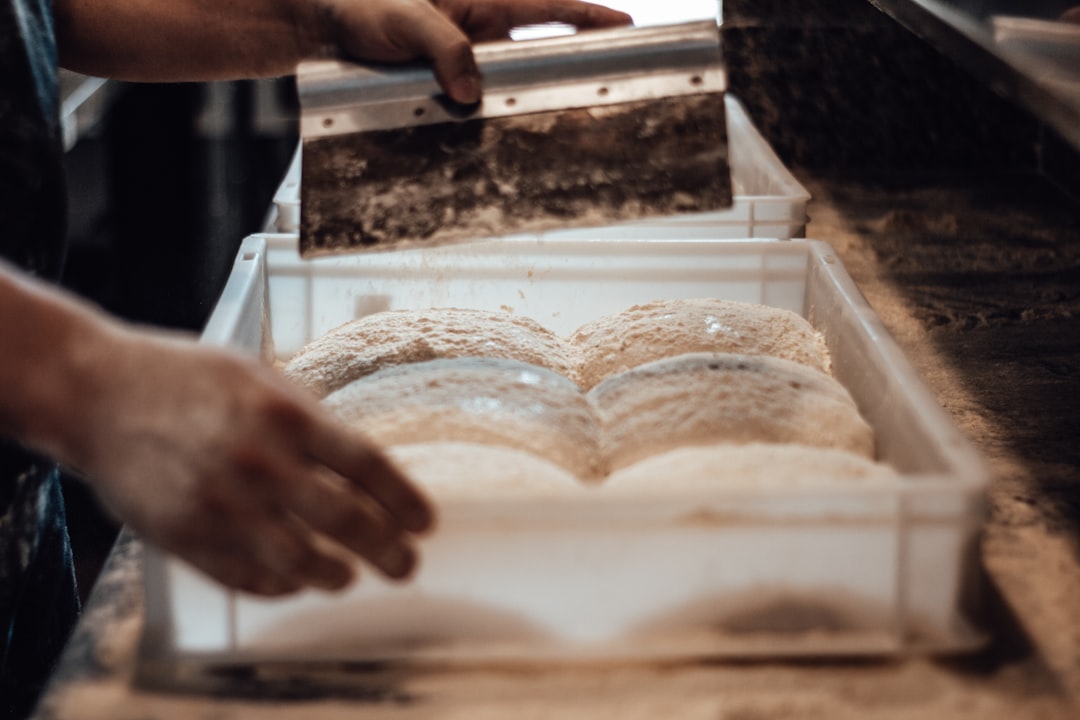
Modern restaurants are redefining what culinary authenticity means, and the conversation is no longer about whether a chef is “faithful” enough to a tradition. It is about how a dining room, a menu, and a kitchen can honor inherited techniques while still speaking to the city, the season, and the guests in front of them. Recent openings such as Kelang in Greenpoint, Burro in Covent Garden, and The Radicle in Chicago show a clear pattern: today’s most compelling restaurants do not freeze a cuisine in amber. Instead, they make a case for value-driven dining choices and trust-building hospitality through food that feels both rooted and alive.
That tension is the heart of modern authenticity. Diners still want the emotional certainty of knowing what they are paying for, but they also want surprise, polish, and a point of view. A chef who understands this can preserve the spirit of a traditional cuisine while presenting it through a new city, a different ingredient network, or a more personal service style. In other words, the most interesting restaurants today are not choosing between heritage and invention; they are learning how to choreograph both.
Pro tip: In contemporary restaurant culture, authenticity is less a fixed rulebook than a visible chain of reasoning. Guests trust a menu more when they can taste the chef’s logic in the seasoning, sourcing, and service style.
What “Authenticity” Means in 2026
From origin story to operating principle
For years, culinary authenticity was often treated like a museum label: a dish was authentic if it matched an idealized version of its place of origin. That model is too narrow for a world where chefs move between countries, ingredients travel farther, and restaurants are shaped by local labor, pricing, and demographics. A modern restaurant may serve a dish built around affordability while still respecting the formal structure of a cuisine, and that is not a compromise so much as an evolution. The best chefs understand that tradition is a method, not just a recipe card.
When a restaurant like Kelang frames Malaysian food through Brooklyn’s sensory vocabulary, it is not abandoning authenticity; it is arguing that authenticity can include place-based adaptation. That means the restaurant’s identity is expressed through the relationships among chili heat, aromatics, texture, and hospitality rather than a rigid insistence on one historical presentation. For diners, this is liberating because it allows a cuisine to remain legible while also feeling current. For restaurateurs, it creates room to build a sustainable business without pretending the last decade of dining trends never happened.
Why diners still crave “realness”
Guests are not wrong to seek realness. In an era of algorithmic recommendations, image-heavy menus, and social-media-driven openings, people want to know a restaurant has a reason to exist beyond aesthetics. They are looking for the same kind of grounded judgment they seek in a trust-first editorial environment: a sense that the team knows what it is doing and is willing to stand behind it. In dining terms, that can show up as precise seasoning, consistent execution, or a server who can clearly explain how a chef’s take on a dish differs from a family version.
This is one reason old-school restaurants can suddenly feel radical again. Grace Dent’s review of Burro emphasizes the appeal of a place that is “big but the opposite of brash,” a useful phrase for understanding contemporary hospitality culture. Diners often say they want excitement, but what they actually reward is confidence without arrogance. That kind of atmosphere can feel deeply authentic because it suggests the restaurant has a stable identity, not just a marketing story.
The difference between homage and imitation
There is a major distinction between a chef who studies a tradition and one who merely copies its surface. Homage requires understanding the architecture of a cuisine: the layering of flavors, the relationship between acidity and fat, the role of texture, the cultural logic of a meal. Imitation usually stops at recognizable markers like one signature spice, a garnish, or a nostalgic vessel. In modern restaurants, diners can feel the difference quickly, even if they cannot always articulate it.
That is why chef interpretation matters so much. A thoughtful reinterpretation can sharpen a dish’s original intention, while a shallow remix often looks like novelty for its own sake. Restaurants that master this balance tend to earn stronger word-of-mouth because the meal feels both familiar and surprising. In a competitive market, that combination is powerful, especially when guests are comparing experiences the way they compare products in a value-focused buying guide.
Three Recent Openings, Three Different Models of Authenticity
Kelang: authenticity as a living city conversation
The New Yorker’s review of Kelang describes a Malaysian menu laced with Brooklyn flavors, which is a concise way of saying the restaurant does not see tradition and locality as enemies. Instead, it uses the city as an ingredient in the dish’s identity. That matters because urban restaurants rarely operate in cultural isolation; they are shaped by neighborhood traffic, supply access, and the expectations of diners who may be deeply curious but not necessarily experts in a cuisine. Kelang’s approach suggests a broader trend among modern restaurants: authenticity is increasingly defined by how honestly a kitchen explains its choices.
In practical terms, that might mean using a familiar Malaysian flavor profile while letting a Brooklyn pantry or local producer influence the exact texture, sweetness, or acidity. The result is not dilution if the dish still feels coherent and rooted in the cuisine’s internal logic. In fact, it can make the restaurant more believable, because the food is clearly responding to where it is cooked. That kind of authenticity is not static; it is responsive.
Burro: old-school authority in a tourist district
Burro arrives in Covent Garden with a kind of counterintuitive confidence. Its chef-owner, Conor Gadd, already has a reputation from Trullo, and that history gives the new restaurant immediate credibility. But credibility alone does not create loyalty; what matters is whether the restaurant can translate that reputation into a space that feels genuinely useful to diners. Grace Dent’s review suggests Burro does exactly that by offering charm without spectacle, which can be a rare and valuable positioning in an area crowded with formulaic places chasing quick turnover.
This is a useful case study in restaurant identity. Burro appears to signal authenticity not through roughness or rustic branding, but through competence: the sense that the kitchen knows how to cook, the front of house knows how to host, and the room knows how to settle a guest into an evening. That is a different kind of modernity from experimental tasting menus, but it is still modern because it respects what today’s diner actually wants. The result feels grown-up rather than retro for retro’s sake.
The Radicle: R&D, repetition, and real-time refinement
Chicago’s The Radicle offers another angle entirely. In Eater’s coverage, Joe Frillman’s weekly Thursday R&D routine shows a chef treating menu development as an ongoing editorial process rather than a one-time launch event. He cuts tuna, poaches it in aromatics, moves it into olive oil, tests beans, and builds a dish with grilled bread. That kind of disciplined experimentation signals authenticity because it reveals method. Guests may never see the Thursday prep, but the final plate carries the imprint of that seriousness.
What makes this especially relevant is that innovation here is not random. It is structured, iterative, and ingredient-led. Frillman’s approach also shows how a chef can modernize a menu without losing culinary coherence: the dish still feels Mediterranean in spirit, but it arrives through contemporary techniques and a highly edited plate composition. For diners evaluating a fine dining review, that matters because the restaurant’s personality is visible in how it develops food over time rather than how loudly it advertises itself on opening week.
How Chefs Signal Authenticity Without Freezing Cuisine
Technique is often the most honest signal
The easiest way to fake authenticity is to decorate a room with the right visual cues. The hardest and most convincing way is to cook with discipline. A properly emulsified sauce, a broth that tastes layered rather than flat, or a pasta cooked with exacting timing tells guests more than a wall of heritage imagery ever could. When a chef uses technique to express lineage, the food becomes its own proof. That is why guests often feel they are in good hands when a restaurant’s execution is quiet but exact.
The Radicle’s R&D process is a strong example of this. The cooking is not static; it is informed by tasting, adjusting, and rebuilding. Guests are not paying for a time capsule. They are paying for judgment. In a broader sense, that is also what makes modern restaurants appealing to diners who care about creative presentation but still want substance underneath the style.
Sourcing choices tell a story
Ingredient sourcing is another powerful authenticity signal. When a restaurant names specific fish, farms, or regions, it is not just buying prestige; it is showing that the menu has a traceable supply chain and a clear culinary philosophy. The choice to use littleneck clams from Massachusetts in a pasta dish, for example, says something about seasonality, freshness, and regional compatibility. It also demonstrates that “traditional cuisine” can remain traditional while embracing a local market’s best available ingredients.
This is one area where modern restaurants often outperform older ones. They can build identities around what is actually available now, not what should theoretically be available in a nostalgic ideal. That responsiveness also mirrors broader consumer behavior in other categories, where customers increasingly expect transparency before purchase. In food, sourcing transparency can turn curiosity into confidence, especially for guests who are deciding whether a restaurant feels worthy of repeat visits.
Service style is part of the menu
Hospitality is not a side dish; it is part of the restaurant’s meaning. Burro’s appeal, as described by Grace Dent, comes partly from the kind of room it creates: mature, welcoming, and unforced. That matters because a guest’s sense of authenticity is shaped not only by what they eat but by how they are treated. A dish may be technically excellent, but if the room feels performative or indifferent, the restaurant identity weakens. The opposite is also true: thoughtful service can make an otherwise simple menu feel singular.
Modern restaurants often signal authenticity through restraint. They avoid overexplaining, they let the food arrive with confidence, and they train staff to speak clearly rather than theatrically. This creates a dining experience that feels trustworthy, which is increasingly important in a market full of shallow branding. Guests may not use the phrase “hospitality culture,” but they absolutely notice when a place seems built to welcome them rather than merely process them.
The Business Case for Evolving Tradition
Restaurants need identities that can survive rent, labor, and time
One reason authenticity has become more flexible is that restaurants have to survive harsher economics than ever before. Rent, labor, and ingredient costs push chefs to make difficult decisions about menu design and format. A rigidly traditional menu can be beautiful, but if it depends on ingredients that are too expensive or too hard to source consistently, the restaurant may not last long enough to matter. Modern restaurants must therefore create an identity robust enough to withstand supply constraints and seasonal price shifts.
That is where chef interpretation becomes strategically important. It gives operators room to adjust while preserving recognizable intent. A dish can shift from lobster to clams, from one grain to another, or from a labor-heavy garnish to a smarter finishing oil without losing its essence. This kind of adaptive thinking is similar to how smart consumers navigate volatile costs in categories like food retail and travel: the goal is to keep quality high while staying practical.
People do not want “fake traditional,” they want believable tradition
There is a reason diners reward restaurants that feel sincere rather than over-labeled. Believability matters. If a restaurant claims tradition but serves food that seems disconnected from its stated influences, guests sense the mismatch immediately. Conversely, if the menu acknowledges its contemporary setting, its supplier relationships, and its chef’s background, the room feels more trustworthy. Believability is therefore one of the strongest foundations for repeat business.
In this sense, authenticity is less about being untouched and more about being accountable. A restaurant that openly embraces its present context can be more truthful than one pretending to replicate a past that no longer exists. That makes it easier for diners to evaluate the experience on its actual merits, which is one reason such places often earn stronger reviews and more durable reputations over time.
Restaurants can compete on coherence, not just novelty
Many openings generate attention by being visually striking or conceptually unusual. But the restaurants that last typically win on coherence: the menu, room, pricing, and service all feel aligned. Burro’s “big but the opposite of brash” vibe is a great example of this. It suggests that the concept, design, and cooking are not fighting each other. Instead, they support the same emotional promise, which is often what diners remember most.
For operators, this is a useful strategic lesson. Novelty may fill seats on opening week, but coherence builds repeat visits. A guest who feels that every element of the restaurant supports the same idea is more likely to return, recommend it, and trust the chef’s next move. That is the long game of restaurant trends: not chasing every new thing, but refining a clear identity that can evolve.
What Diners Should Look for in a Modern Authentic Restaurant
Read the menu for structure, not just ingredients
If you want to judge whether a restaurant is balancing tradition and innovation well, start by reading the menu like a map. Do the dishes make sense together? Is there a clear rhythm between small plates, larger dishes, and finishing courses? Are the ingredients chosen for a reason, or do they feel randomly assembled to sound impressive? The most compelling menus have a discernible internal logic, and that logic often reveals how seriously a chef understands the cuisine they are working within.
Also look for precision in language. A menu that names techniques and ingredients clearly is usually more confident than one relying on vague flourish. When a restaurant describes what it is doing without excessive mystique, it often shows respect for the guest’s intelligence. This is part of what makes culinary authenticity feel real in modern restaurants: the restaurant trusts the food to speak, and the diner is invited to listen.
Watch how the staff talks about the food
Good servers do not recite scripts; they interpret the menu for the table. Listen for whether they can explain why a dish exists, what makes a sourcing choice meaningful, or how a chef’s version differs from a classic. That kind of communication is a marker of strong restaurant identity because it shows that the front of house understands the kitchen’s point of view. It also helps guests decide whether the restaurant’s innovation feels thoughtful or arbitrary.
In high-functioning rooms, service becomes an extension of the menu’s authenticity. Staff members should be able to answer questions without defensiveness and without sounding like brand spokespeople. If they can do that, the restaurant gains credibility quickly. And if they cannot, that gap often reveals a concept that looks more sophisticated than it truly is.
Trust your palate more than the Instagram shot
A beautiful plate can be memorable, but visual drama is not the same as culinary depth. Some of the most authentic modern restaurants intentionally avoid overstyling because they know that flavor, temperature, and texture are what actually persuade repeat guests. When a dish lands with balance and clarity, it often matters far more than whether it is trending online. That is one reason reviews from critics still matter: they help separate surface-level appeal from real dining value.
Still, social presentation is not irrelevant. A restaurant that understands how people discover food today can use aesthetics in service of substance rather than in place of it. The best modern restaurants make dishes that photograph well because they are composed well, not because they were designed as content first. That distinction is worth paying attention to.
Data Table: Authenticity Signals Across Modern Restaurant Types
| Restaurant signal | What it communicates | Common risk | Best use case |
|---|---|---|---|
| Chef R&D process | Ongoing refinement and seriousness | Can feel inaccessible if never shared clearly | Fine dining and chef-driven neighborhood restaurants |
| Localized sourcing | Responsiveness to place and season | Can be used as marketing fluff if details are vague | Menus that adapt classic dishes to local markets |
| Old-school service style | Confidence, maturity, and hospitality culture | Can become stiff or nostalgic if not updated | High-comfort dining rooms and special-occasion restaurants |
| Menu reinterpretation | Respect for tradition plus creative identity | Can drift into novelty for novelty’s sake | Restaurants working with diaspora cuisines or regional classics |
| Clear menu language | Transparency and trust | Can become sterile if stripped of personality | Concepts that want broad appeal without losing expertise |
A Framework for Evaluating Restaurant Identity
Does the restaurant know what it is?
The strongest modern restaurants know their lane. They may be ambitious, but they are not confused. They understand whether they are neighborhood staples, special-occasion rooms, or exploratory kitchens, and they make their decisions accordingly. When the room, menu, and service all reinforce the same identity, the restaurant feels much more authentic than a concept trying to please everyone at once.
That clarity is especially important now because diners are sophisticated enough to see through vague positioning. If a restaurant claims to be casual but prices like a tasting menu, or claims to be traditional while offering only aesthetic gestures, the gap will show. Clarity is therefore not just a branding preference; it is a trust mechanism.
Does it evolve for reasons, not trends?
Innovation becomes meaningful when it solves a real problem or sharpens a real idea. A chef adding beans to a tuna conserva dish, for instance, is not merely chasing novelty; they are building texture, economy, and depth into a plate. That kind of move feels modern because it improves the dining experience rather than distracting from it. It also shows restraint, which is one of the most underrated forms of creativity in restaurant work.
By contrast, trend-chasing often reveals itself in menus that are visually loud but strategically empty. Diners may enjoy the first impression, but the restaurant struggles to create depth. The better model is adaptive continuity: a place that changes, but always for a reason you can taste.
Would the restaurant still work if the trend disappeared?
This is a useful test. If the only reason a restaurant feels interesting is that it mirrors a current aesthetic, then its authenticity is fragile. But if the food, service, and room are grounded in real culinary judgment, the restaurant should still work when the wave passes. That durability is one reason heritage-minded but modernized restaurants often become long-term recommendations rather than one-season sensations.
In practice, the places that last are usually those that earn loyalty through consistency and discernment. That is why critics often return to restaurants like Trullo, and why a new sister project such as Burro can start with a reservoir of trust. Reputation matters, but only if the new restaurant justifies it plate by plate.
Conclusion: Authenticity as a Living Contract
The best restaurants make a promise and keep updating it
Modern authenticity is not about preserving cuisine in its oldest possible form. It is about making a believable, delicious promise to guests and then renewing that promise through careful sourcing, thoughtful cooking, and hospitable service. Kelang, Burro, and The Radicle each illustrate a different path: one through place-based fusion, one through old-school assurance, and one through rigorous kitchen development. Together they show that culinary authenticity in 2026 is less about purity than about integrity.
For diners, that is good news. It means you do not need to choose between tradition and innovation as if they were opposing teams. Instead, you can look for restaurants that understand tradition deeply enough to adapt it responsibly. And when you find them, you are not just having a meal; you are watching restaurant culture think in real time.
Related Reading
- Where to Find the Best Value Meals as Grocery Prices Stay High - A smart lens on how diners balance quality, price, and repeatability.
- Understanding Audience Trust: Security and Privacy Lessons from Journalism - A useful parallel for how restaurants earn credibility through transparency.
- Content Playbook for DTC Food Brands - Shows how flexibility and clear positioning build stronger consumer trust.
- Optimizing Content Delivery - A reminder that execution and timing matter just as much in restaurants as in media.
- Innovative Advertisements - Helpful for understanding how visual storytelling can support, not replace, substance.
Frequently Asked Questions
What does culinary authenticity mean today?
It means a restaurant is honest about its influences, techniques, and context. Instead of copying a static version of tradition, it shows why a dish tastes the way it does and how the kitchen interprets its culinary inheritance.
Can a modern restaurant still be authentic if it changes classic dishes?
Yes, if the changes are rooted in a clear culinary logic. When a chef adapts a classic dish to local sourcing, seasonality, or service style without losing the dish’s spirit, the result can feel more authentic than a rigid imitation.
How can diners spot a restaurant that is only pretending to be traditional?
Look for vague menu language, superficial decor cues, and staff who cannot explain the reasoning behind dishes. Real authenticity usually comes with detail, clarity, and consistency.
Why do critics care so much about restaurant identity?
Because identity tells you whether a restaurant can last. A strong identity aligns the food, service, and room, which usually leads to a more memorable and trustworthy dining experience.
Is innovation always good in restaurants?
No. Innovation is most effective when it solves a real culinary problem or improves the guest experience. Trend-driven novelty without purpose often feels dated quickly.
What should I order to judge a restaurant’s authenticity?
Choose a dish that represents the kitchen’s core philosophy, often a signature pasta, braise, fish dish, or regional staple. These dishes reveal whether the chef understands balance, technique, and restraint.